
72V: ONYX QS205 Silicone Failure and Internal Repair
Understand the reported gray-compound failure, inspect affected wiring, and follow internal Hall sensor and silicone repair steps after confirming the fault.
Understand the reported gray-compound failure, inspect affected wiring, and follow internal Hall sensor and silicone repair steps after confirming the fault.
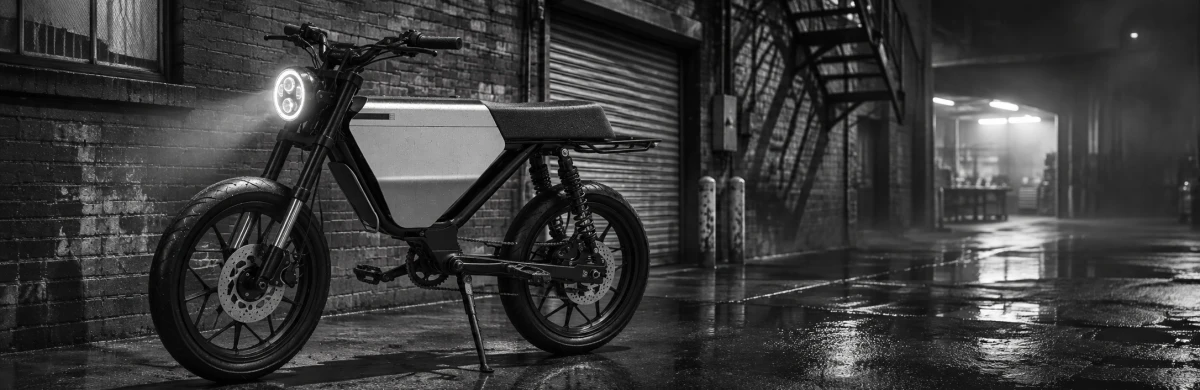
Check battery discharge connectors, lead sizing, and installation methods, including soldering, crimping, heating, and discharge-port charging limits.

Identify ONYX 72V charging connectors, check pinouts and adapter compatibility, and find wiring and cleaning procedures.
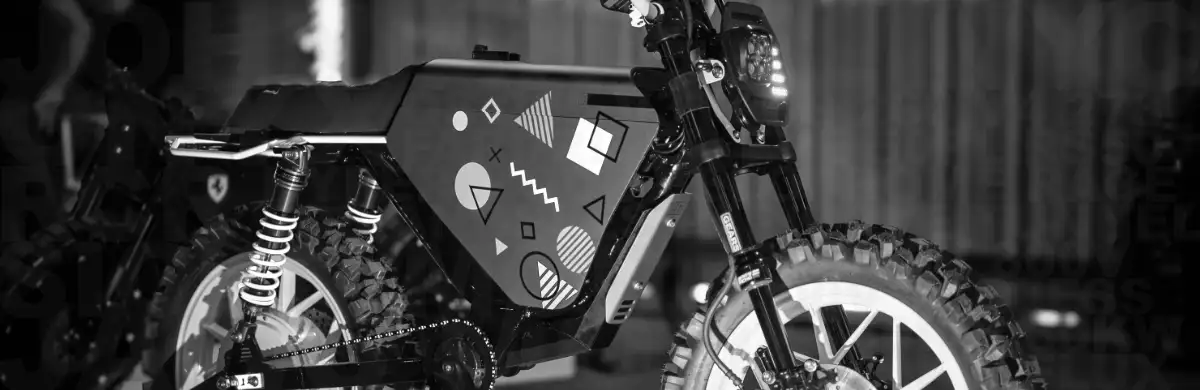
Understand what changes from Firmware 1.75, what the new dashboard information provides, and what to consider before updating the controller and display.
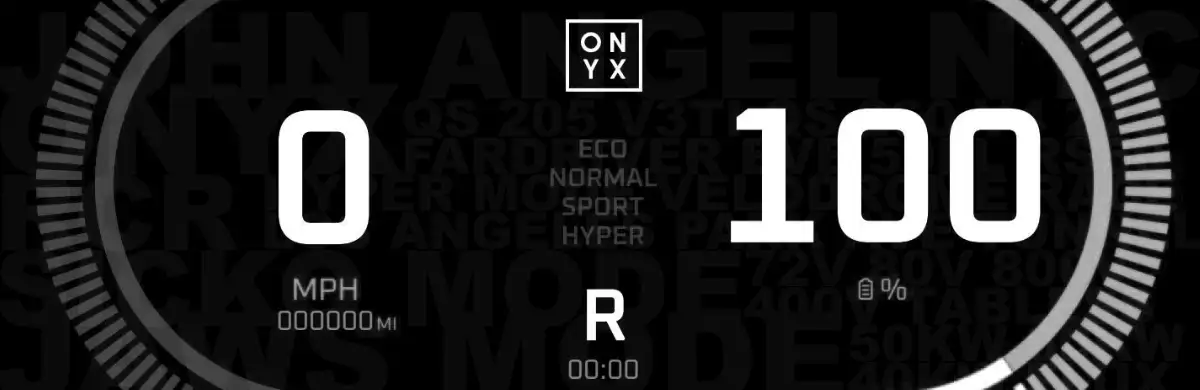
Read the original announcement in its release context, with links to the Firmware 2.0 overview and later riding observations.

Explains stock tire specifications, rim design and estimated width, tire compatibility ranges, pressure guidelines, and real-world tubeless operation for ONYX 80V setups.

Outlines practical camera choices for ONYX riders, covering 360° cameras, compact POV cameras, traditional action cameras, mounting options, and buying strategies for used models.

Use the general caution guide alongside focused articles on battery buying, motor inspection, technical advice, repair diagnosis, and shop authorization.
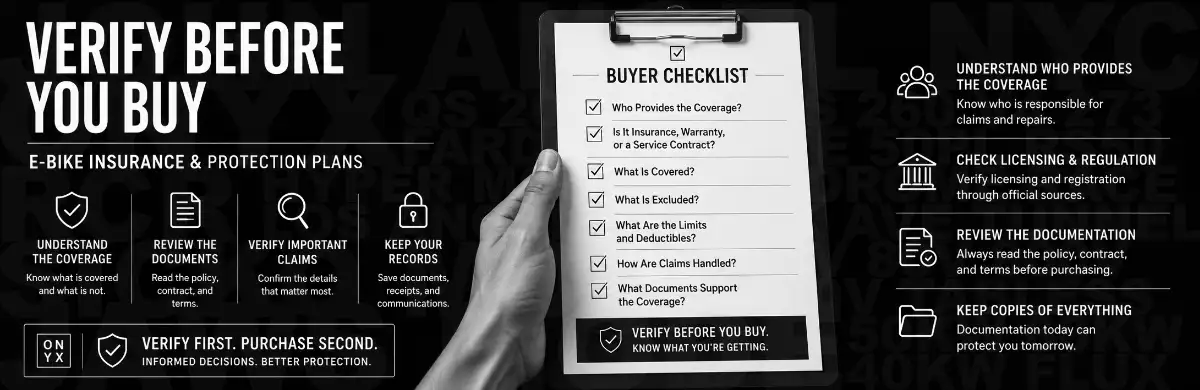
Compare battery protection-plan coverage and provider terms, and understand how service contracts differ from insurance.

Compare documented cell options while checking the complete pack design, current requirements, and supplier information.

Reviews real-world transport options for ONYX bikes, including WAV ride-hail vehicles, wheelchair-accessible taxis, and metro systems with elevators, along with tips to prevent damage during loading and travel.

Explains how to diagnose and maintain ONYX braking performance by combining system limitations, hardware design differences, inspection routines, fluid handling rules, bleeding techniques, brake bedding, and real-world braking behavior across 72V, CTY2, and 80V platforms.