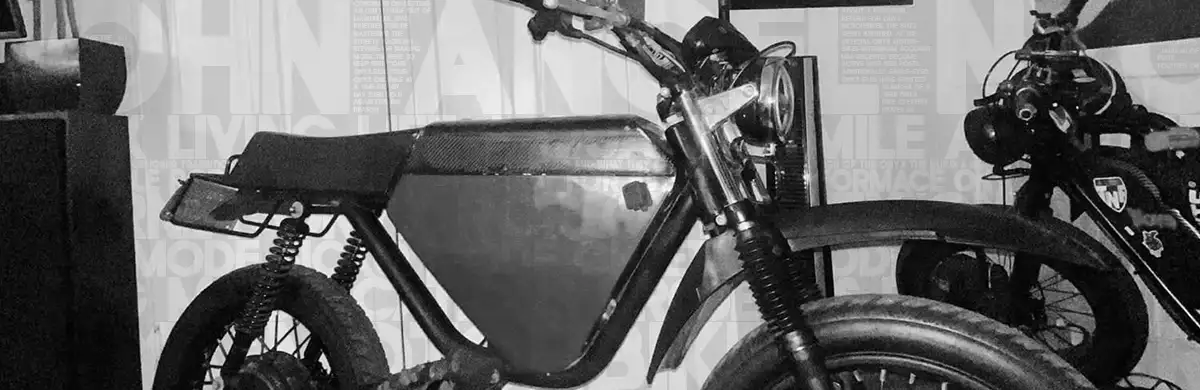
This post covers practical ONYX wiring basics, with a focus on 12V accessory power, safe tapping points, wiring limits, and factory harness references. The goal is to give ONYX owners a clean place to start before adding lights, USB power, trackers, horns, or other small electrical accessories.
The most important idea is simple: the bike already has a 12V system through its DC-DC converter, but that does not mean the available accessory capacity is unlimited.
- The ONYX uses a DC-DC converter to step traction pack voltage down to 12V
- The cleanest accessory taps are usually the factory lighting harnesses
- Wiring safety matters more than convenience
- Fuse protection and current planning should always come before accessory installs
ONYX 12V System Basics
Both ONYX models step battery voltage down to 12V using a DC-DC converter.
That means the bike already provides a low-voltage system for lighting, display electronics, and other basic electrical functions. When adding small accessories, the goal is usually to access that existing 12V system cleanly rather than build a separate low-voltage battery setup.
You can access switched 12V from the headlight harness or the taillight harness.

| System | Function |
|---|---|
| Main traction battery | High-voltage drive power |
| DC-DC converter | Steps pack voltage down to 12V |
| Lighting harness | Common switched 12V access point |
| Accessory wiring | Powers added low-voltage devices |
DC-DC Converter Limits
The converter is rated for 10A (~110W peak / ~85W continuous).
That does not mean all of that current should be reserved for accessories. The display, controller logic, factory lights, and other stock electrical loads already use part of the available capacity.
To preserve electrical headroom, plan for no more than ~6-7A accessory load in normal use.
| Electrical Limit | Value |
|---|---|
| Converter peak output | ~110W |
| Converter continuous output | ~85W |
| Maximum converter current | 10A |
| Recommended accessory budget | ~6-7A |
This is the practical planning number, not the absolute converter ceiling.
Where To Tap 12V Power
The two most common places to access switched 12V are:
- the headlight harness
- the taillight harness
These locations are useful because they already operate within the factory 12V system and are relatively easy to reference during accessory installs.
In most cases, switched 12V is better than constant 12V for ONYX accessory work because it prevents accessories from staying live when the bike is off.
| Harness | Best Use |
|---|---|
| Headlight harness | Front accessories, lighting, switched power reference |
| Taillight harness | Rear accessories, brake-triggered accessories, switched power reference |
Typical Accessory Draw
Accessory planning should start with current draw, not just whether the device physically works on 12V.
| Accessory | Current |
|---|---|
| LED strips | 0.5-2A |
| USB charger | 1-3A |
| GPS tracker | <0.5A |
| Horn upgrade | 2-5A |
A few small accessories usually fit comfortably within the available budget. Problems start when several medium-draw accessories are combined without adding up the total load first.
Wiring Safety
Before working on ONYX wiring:
- Power the bike on
- Disconnect the battery
- Wait a few seconds for the system to discharge
That sequence helps reduce the chance of working on a live circuit unexpectedly.
Recommended wiring practices:
- 18 AWG copper minimum
- Avoid more than ~8A on 22 AWG wire
- Add inline fuse protection
- Use relays for higher-power accessories
Crimp connectors are generally preferred over solder for vehicle wiring because they handle vibration and thermal cycling better over time.
| Wiring Practice | Reason |
|---|---|
| 18 AWG minimum | Better current handling margin |
| Inline fuse | Protects wiring and accessories |
| Relay on higher loads | Reduces switch and harness stress |
| Crimp connections | Better durability in vibration |
Fuse Planning
A fuse should protect the wire, not just the accessory.
That means the fuse rating should be selected based on the wiring size and expected current draw of the circuit. Installing a fuse that is too large defeats the purpose of having one in the first place.
A simple inline fuse near the power tap is usually the cleanest starting point for small ONYX accessory circuits.
- Place the fuse close to the 12V source
- Size the fuse for the actual wire and load
- Do not oversize the fuse just to stop nuisance failures
When To Use A Relay
A relay is useful when an accessory draws enough current that you do not want that load passing directly through a small switch or through a lightly loaded factory control circuit.
For example, a horn upgrade or other higher-draw accessory may be better controlled through a relay instead of being powered directly from a signal or lighting lead.
| Accessory Type | Relay Needed |
|---|---|
| Small LED accent lighting | Usually no |
| USB charger | Usually no |
| GPS tracker | Usually no |
| Higher-draw horn or accessory load | Often yes |
The relay allows the original circuit to act as a trigger while the accessory draws power through a more appropriate path.
Headlight Wiring
The headlight harness is one of the most useful reference points for front accessory work.
| 80V Wires | 72V Wires | Designation |
|---|---|---|
| Black | Black | Ground |
| Red | Daytime running light | |
| Yellow | Yellow | Low beam |
| Blue | Blue | High beam |
Always verify wire function before final connection. Harness colors are useful references, but confirmation with a meter is still the safer practice.
Taillight Wiring
The taillight harness is a clean reference for rear lighting and brake-related accessory work.
| 80V | 72V | Function |
|---|---|---|
| Black | Black | Ground |
| Blue | Blue | Running light |
| Red | Red | Brake |
This is often the easiest place to work when adding rear visibility accessories.
Turn Signal Reference
Turn signal wiring is useful when adding or troubleshooting indicator-related accessories.
| Color | Function |
|---|---|
| Red | Right signal |
| Purple | Left signal |
Front signals are located near the headlight harness, and rear signals are located in the tail harness.
Basic 12V Wiring Layout
A simple ONYX accessory circuit usually looks like this:
ONYX Lighting Harness
      │
      │ 12V Positive
      │
      ├── Inline Fuse
      │
      ├── Accessory
      │
      └── Ground